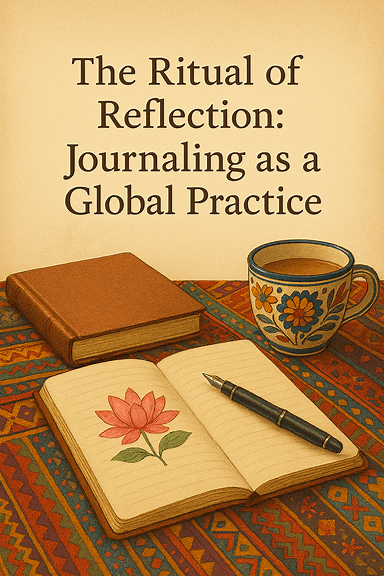
The Power of Journaling: Unlocking Creativity at Any Age
Journaling isn’t just a pastime for teenagers scribbling in diaries — it’s a deeply transformative practice that can enhance creativity, provide clarity, and foster self-discovery at any age.
For older adults, especially those desiring to reignite their passion for personal growth, journaling offers a powerful tool for expression and mindfulness. Here are three compelling reasons why journaling is a game-changer and how it can help unlock creativity.
1. Journaling Sparks Self-Reflection and Fresh Ideas
Writing freely in a journal allows unfiltered thoughts to flow onto the page, helping uncover insights and emotions that might otherwise go unnoticed.
Research suggests that engaging in self-reflective writing activates the brain’s creative regions, making it easier to explore new perspectives and innovative ideas (Pennebaker & Evans, 2014).
Older adults often possess a wealth of life experiences that can be transformed into creative storytelling, poetry, or even new business ideas. By reflecting on meaningful moments, childhood memories, or lessons learned, journaling becomes a way to turn life’s wisdom into fresh inspiration.
Examples of What to Journal About:
-
A significant life lesson you’ve learned and how it shaped you
-
A memorable trip or adventure that left a lasting impression
-
Reflections on how the world has changed throughout your lifetime
2. Journaling Reduces Mental Clutter and Enhances Clarity
Creativity thrives when the mind is free from overwhelming thoughts. Journaling helps declutter the brain by organizing emotions, concerns, and reflections on paper.
Studies on expressive writing show that recording thoughts can reduce stress and improve cognitive processing (Baikie & Wilhelm, 2005).
For those pursuing personal projects — such as launching a blog or business — journaling can act as a brainstorming space to develop ideas, outline plans, and refine goals. Writing things down transforms abstract thoughts into clear, actionable insights.
Examples of What to Journal About:
-
A list of personal or creative goals and how to achieve them.
-
Challenges you’re facing and possible solutions.
-
Freewriting exercises to explore fresh perspectives without overthinking.
3. Journaling Encourages Playfulness and Imaginative Thinking
One of the most exciting aspects of journaling is that it has no rules. Unlike formal writing, journals can include doodles, fragmented thoughts, poems, or even storytelling experiments.
Studies show that engaging in imaginative play — even in writing — creates creative pathways in the brain, helping individuals think outside the box (Csikszentmihalyi, 1996).
For older adults exploring creative projects — such as blogging or designing inclusive visuals — journaling can serve as a foundation for experimenting with ideas without pressure. It’s a safe space to embrace curiosity and let creative impulses flow freely.
Examples of What to Journal About:
-
A fictional short story inspired by your own experiences
-
A gratitude list with artistic sketches or collages
-
A dream journal to explore subconscious creativity
4. Unlock Your Creative Potential
Journaling is more than just writing — it’s a catalyst for deeper self-discovery, emotional well-being, and imaginative thinking.
Whether you’re documenting your thoughts, brainstorming new projects, or simply letting ideas flow, this practice can help unlock creativity at any age.
📓 So why not grab a notebook, set aside a few minutes each day, and start journaling your way into a more inspired life?